Cold weather and tire pressure are directly linked, and understanding why can help Chicago drivers avoid unnecessary worry or real tire damage. When temperatures drop in Chicago, IL, the air inside your tires contracts, and that drop in pressure is often enough to trigger your tire pressure warning light even when your tires have no leak at all. Knowing how to respond quickly and correctly can protect your tires, your fuel economy, and your safety on winter roads.
Why Cold Weather Makes Your Tire Pressure Drop
Cold temperatures cause tire pressure to fall. For every 10-degree Fahrenheit drop in outside temperature, tire pressure can decrease by roughly one pound per square inch (PSI). Chicago winters can swing 30 to 40 degrees overnight, so a tire that was properly inflated on a mild afternoon may trigger your TPMS (Tire Pressure Monitoring System) light by the next cold morning. This is a normal physical response and does not always mean your tire has a problem.
Most modern vehicles require tire pressure between 32 and 35 PSI, though your specific vehicle's recommended range is printed on a sticker inside the driver's door jamb or in your owner's manual. When pressure dips about 25% below the recommended level, federal law requires the TPMS warning light to turn on. In deep Chicago winters, that threshold can be reached fast. Scheduling tire services before the season begins is one of the most effective ways to stay ahead of these issues.
How to Check Your Tire Pressure and When to Inflate
Checking your tire pressure correctly takes just a few minutes. Here is what to do when the light comes on:
▸Use a quality tire pressure gauge to check all four tires individually.
▸Check pressure when tires are "cold," meaning the vehicle has been parked for at least three hours or driven fewer than a mile.
▸Compare each reading to the recommended PSI on your door jamb sticker, not the maximum pressure printed on the tire itself.
▸Add air as needed at a gas station air pump or a portable compressor.
▸Recheck pressure after inflating to avoid overinflating.
After you inflate your tires to the correct level, the TPMS light may turn off on its own within a few miles of driving. If it goes off and stays off, cold-weather pressure loss was likely the only issue. Tire services in Chicago, IL, can handle inflation checks quickly if you are unsure about doing it yourself.
When the Light Stays On After Inflating
A persistent TPMS light after inflation may signal something beyond normal cold-weather pressure loss. Several possible causes include a slow leak from road debris, a damaged or faulty TPMS sensor sending inaccurate readings, sidewall damage preventing the tire from holding pressure, or uneven pressure across tires suggesting a condition worth inspecting.
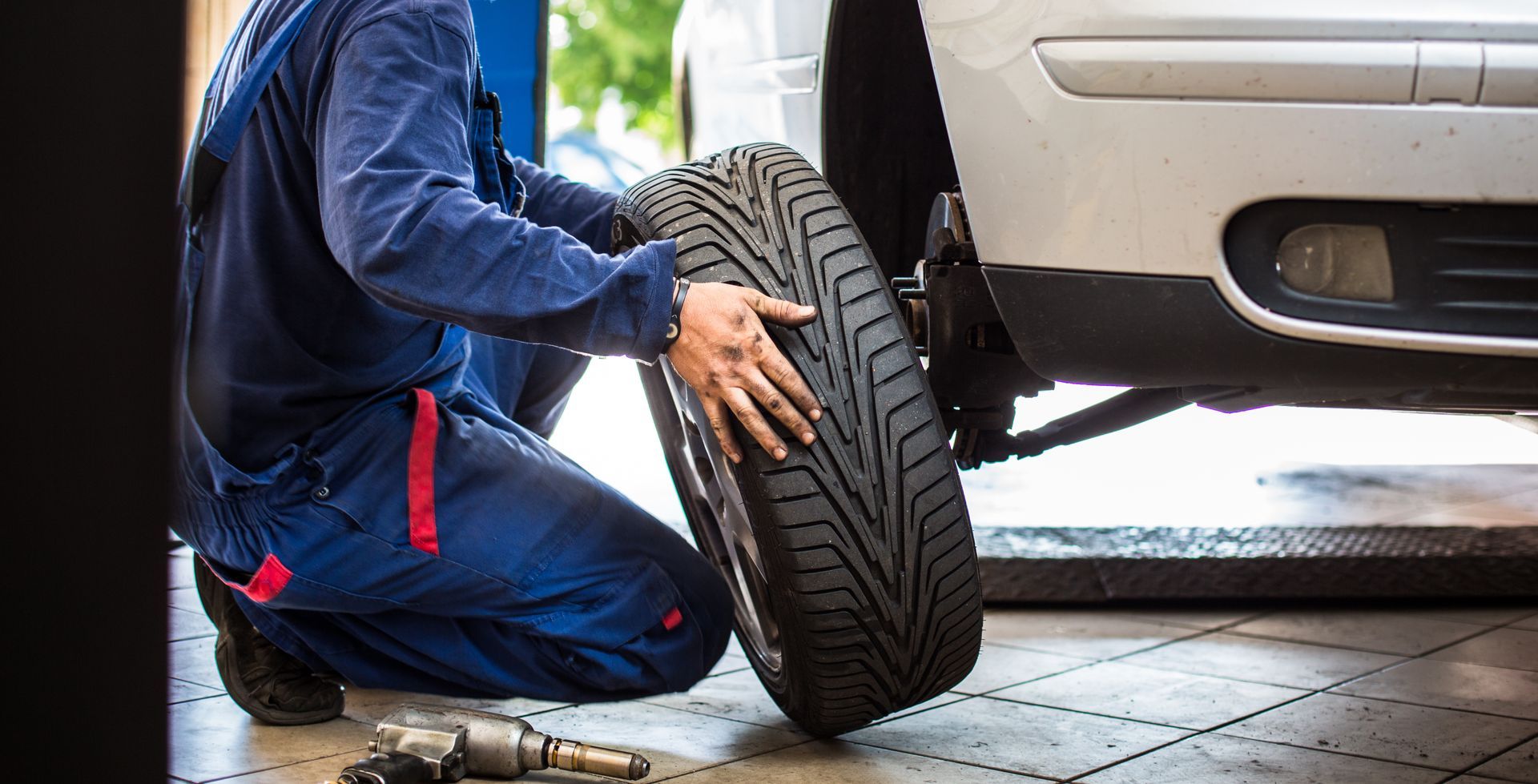
Chicago roads in winter are rough on tires. Potholes, cracked pavement, and debris hidden under snow are common hazards that can cause slow leaks or sidewall damage. If your warning light stays on after a proper inflation, professional tire services may be exactly what your vehicle needs.
What a TPMS Sensor Failure Looks Like
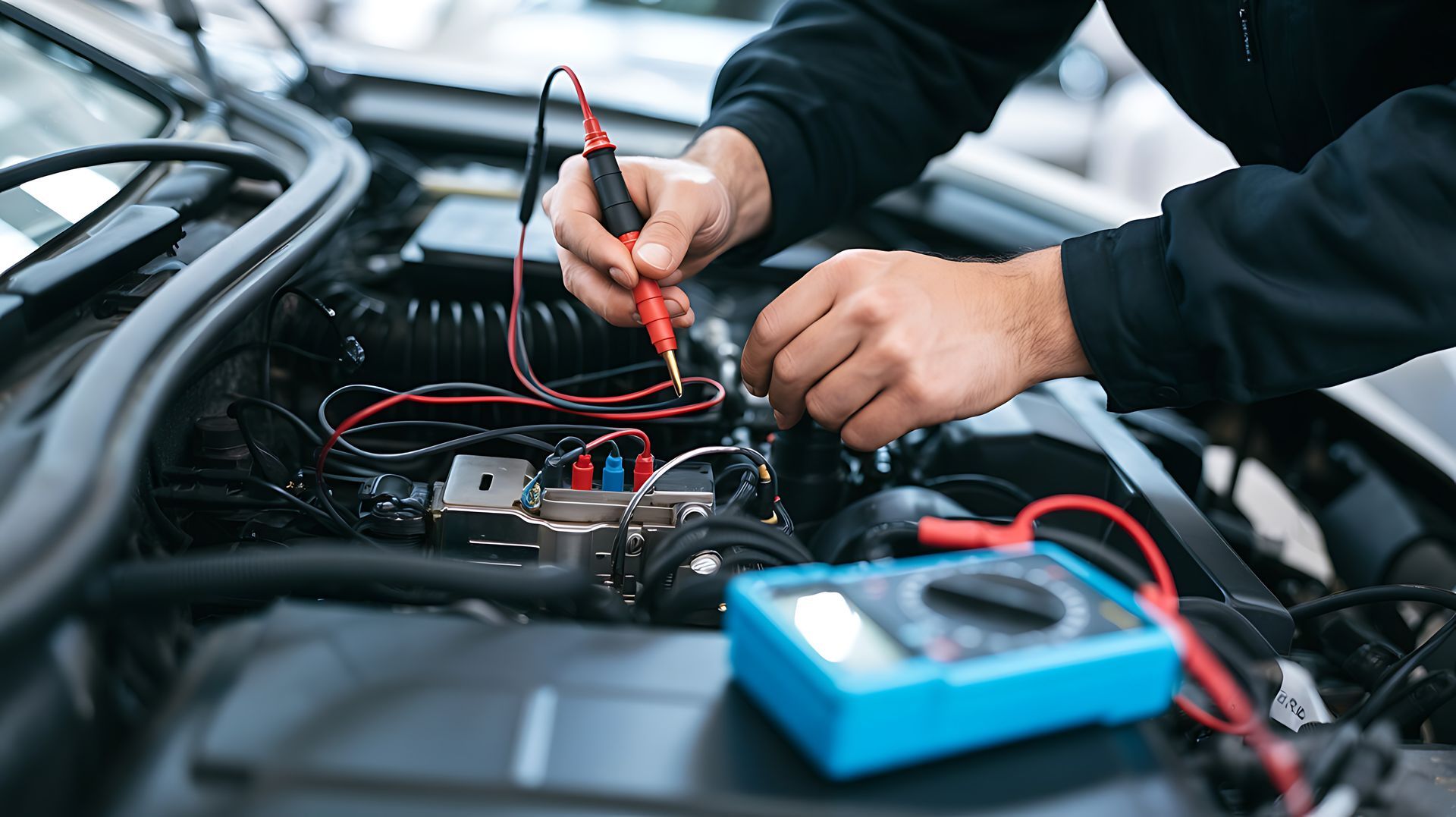
A TPMS sensor failure often presents as a light that flashes for 60 to 90 seconds when you start the vehicle and then stays on solid. This differs from a simple low-pressure warning. Sensors can fail due to age, battery depletion, or physical damage from a hard pothole hit. A diagnostic scan can confirm whether a sensor needs replacement.
Signs Your Tire May Have a Slow Leak
A slow leak is easy to miss because pressure loss happens over hours or days. Watch for these signs:
▸One tire consistently shows lower pressure than the others after inflation.
▸The vehicle pulls slightly to one side while driving.
▸A small object is visible in the tread.
▸One tire looks lower than the others when viewed from outside the vehicle.
If any of these signs appear, a professional inspection is the safest next step before the situation worsens on a cold Chicago road.
What Persistent Low Tire Pressure Can Do to Your Vehicle
Under-inflated tires flex more than they should, generating excess heat and weakening the tire structure over time. In cold weather, this stress is compounded because rubber stiffens at lower temperatures. The results can include accelerated tread wear, reduced fuel efficiency, and in serious cases, a blowout. Keeping tires properly inflated is one of the simplest ways to extend tire life and maintain safe handling on icy or wet Chicago streets. Routine tire services play a key role in catching these problems early.
Preparing Your Tires for a Chicago Winter
Getting ahead of winter tire issues can save time and money. A few steps to consider as temperatures begin to fall:
▸Have your tire pressure checked and adjusted before the first hard freeze.
▸Ask a technician to inspect tread depth, since worn tread loses grip quickly on snow and ice.
▸Consider whether your vehicle would benefit from winter tires if you regularly drive in heavy snow.
▸Have your TPMS sensors tested if they have never been inspected, especially on older vehicles.
Investing in tire services before winter peaks is a straightforward way to protect yourself and your passengers.
Get Your Tires Checked This Winter in Chicago
When your TPMS light comes on and basic inflation does not fix it, Logan Square Auto Repair is ready to help. Serving the Chicago, IL, community from their shop at 2442 N Milwaukee Ave, Chicago, IL, they offer tire sales, tire repair, wheel alignments, mounting and balancing, and TPMS services. Call (773) 772-1639 to speak with the team, or schedule an appointment online. For a full overview of what they offer, visit the services page and find the right solution for your vehicle before winter gets any colder.
SHARE OUR SPECIAL